
· 2 min read
Oil vs. Acrylic Painting: What Collectors Should Know
We have painted landscapes in both oil and acrylic since 2013, and it's one of the first questions people ask when they see the work in person: which is which, and does it matter? Here's a plain guide to the difference — what you'll see, how each ages, and what it means for you as the owner of an original.
How they're made
Both paints use the same kind of pigments. The difference is what holds them together. Oil paint binds pigment in a slow-drying oil, usually linseed. Acrylic binds it in a water-based polymer that dries quickly into a flexible film.
That one difference shapes almost everything else — how the painter works, how the surface looks, and how the finished painting behaves on your wall.
How they look
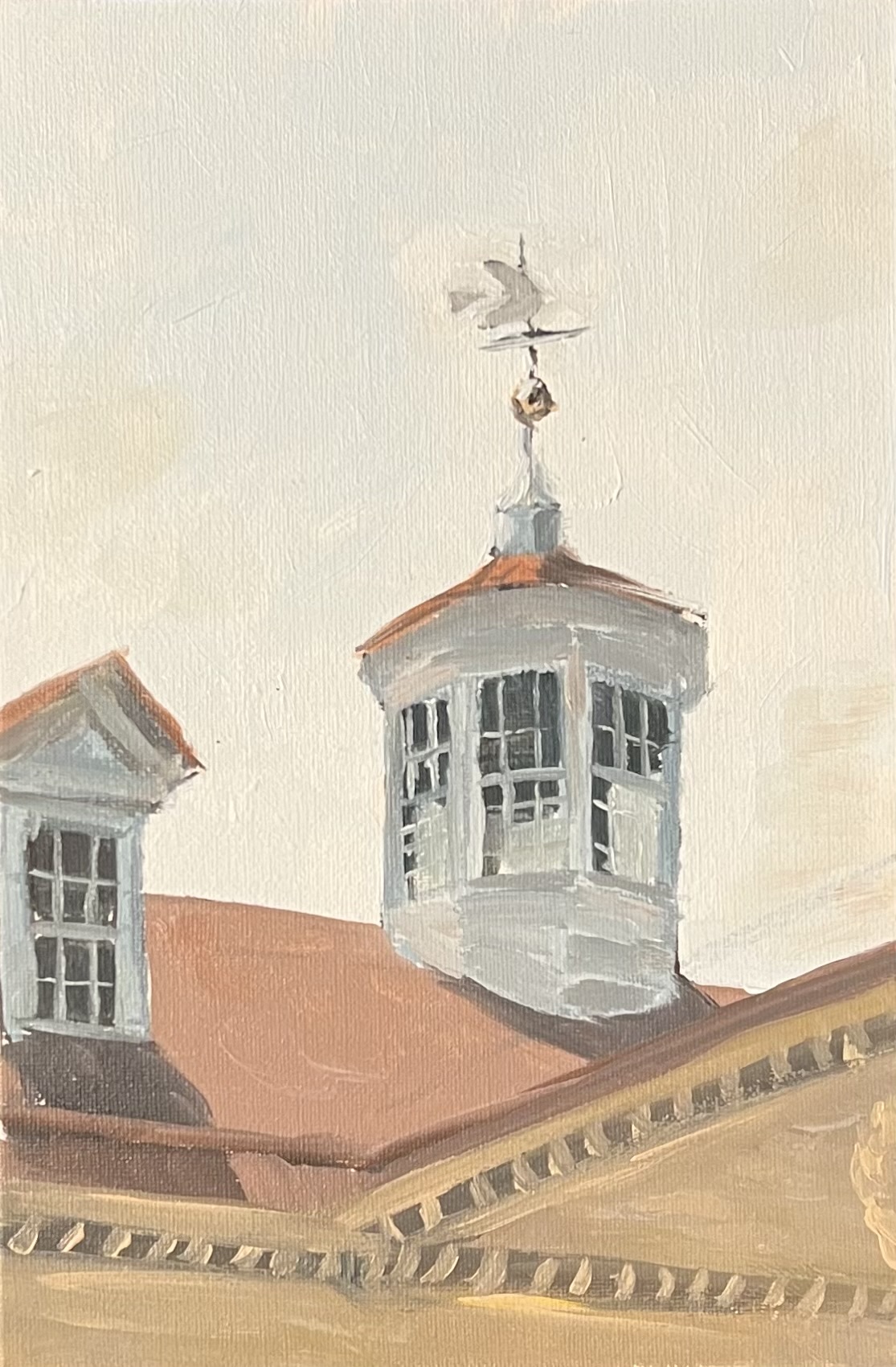
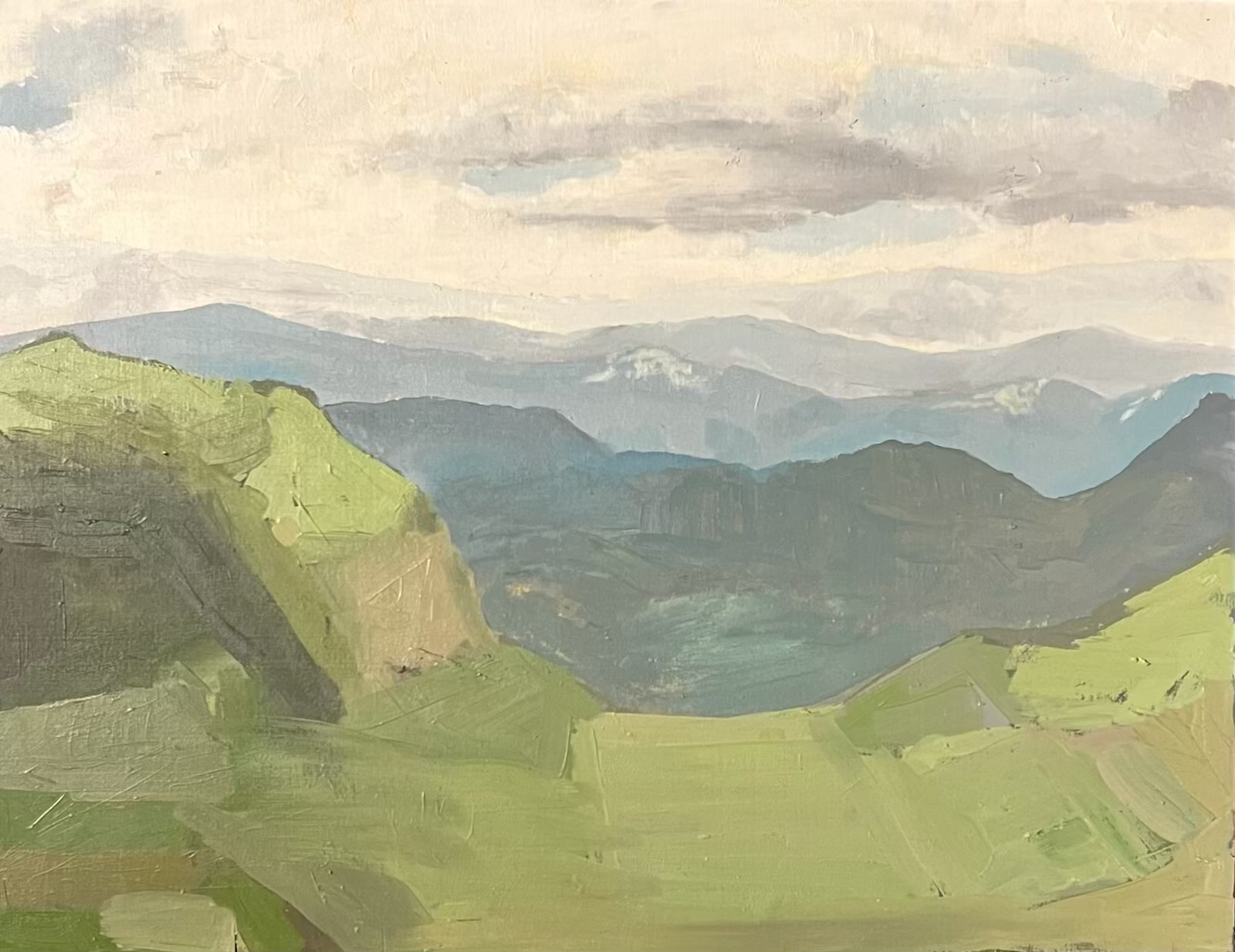
Oil stays wet for days, so colors can be blended softly right on the surface. That's why oil paintings often have smooth transitions and a deep, glowing richness — you can see it in our oil panels like Cupola and Valley, Overcast.
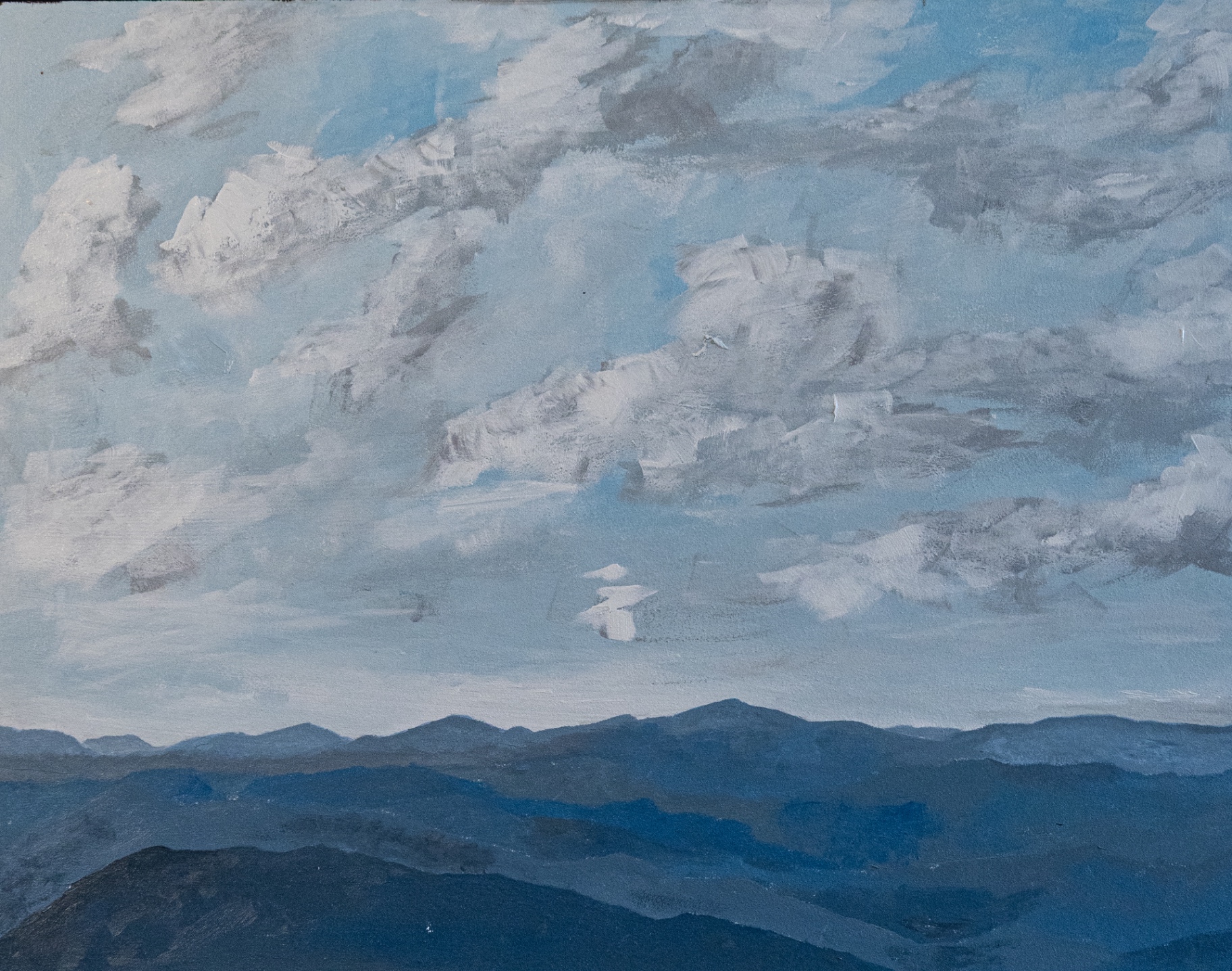
Acrylic dries in minutes, which suits building a painting in many thin layers. It's ideal for crisp edges, washes and layered ridgelines, like the cobalt layers in Blue Ridge, Morning. Modern acrylics hold their color strongly and can look every bit as rich as oil.
How they age
A properly made oil painting can last centuries; it keeps curing slowly for years after it's finished. Acrylic is a much younger medium, but it is stable, flexible and resistant to cracking and yellowing.
Either way, an original kept out of direct sun and away from damp or big temperature swings will look the way it should for a very long time.
Which should you choose?
Honestly: choose the painting, not the paint. The medium affects the feel of a piece, but what matters is whether a work stops you every time you walk past it. If you love soft, luminous blending, you may find yourself drawn to oil. If you love layered color and clean edges, acrylic may speak to you.
Every painting in our gallery lists its medium, so you can always see exactly what you're looking at — and if you'd like to know more about a specific piece, just ask.
Paintings mentioned
Hear about new work first
Join the newsletter for new paintings and the shop opening.
Join the newsletter